
Armenia Unveils a World-First Traceable Wool Ecosystem, Vision & Platform: Arm.wool
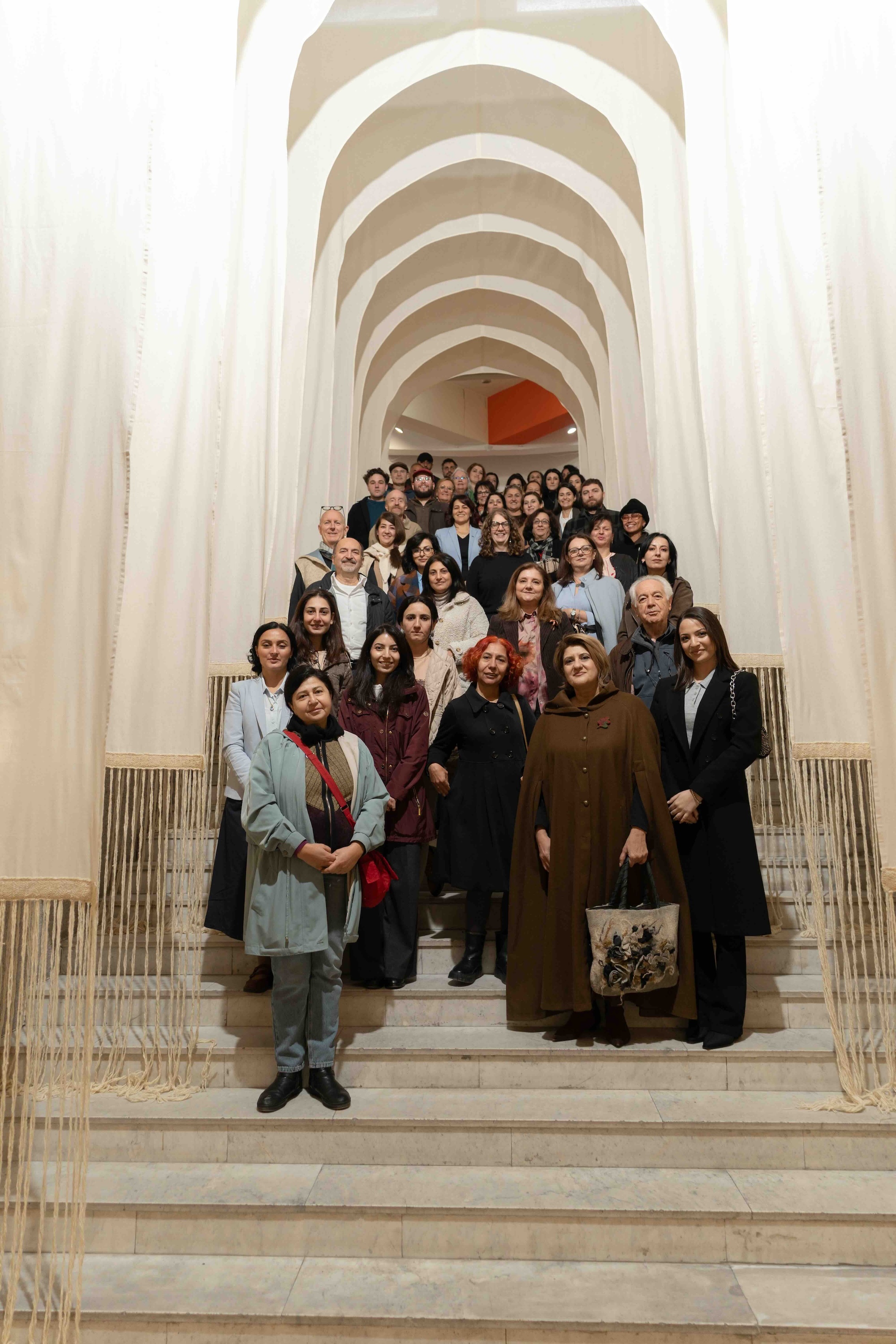
Participants of the first Arm.wool Forum gather beneath a site specific wool installation at the HayArt Center in Yerevan

Natural dyeing techniques, practiced for generations, are demonstrated and shared during a hands on workshop at the Arm.wool Forum.
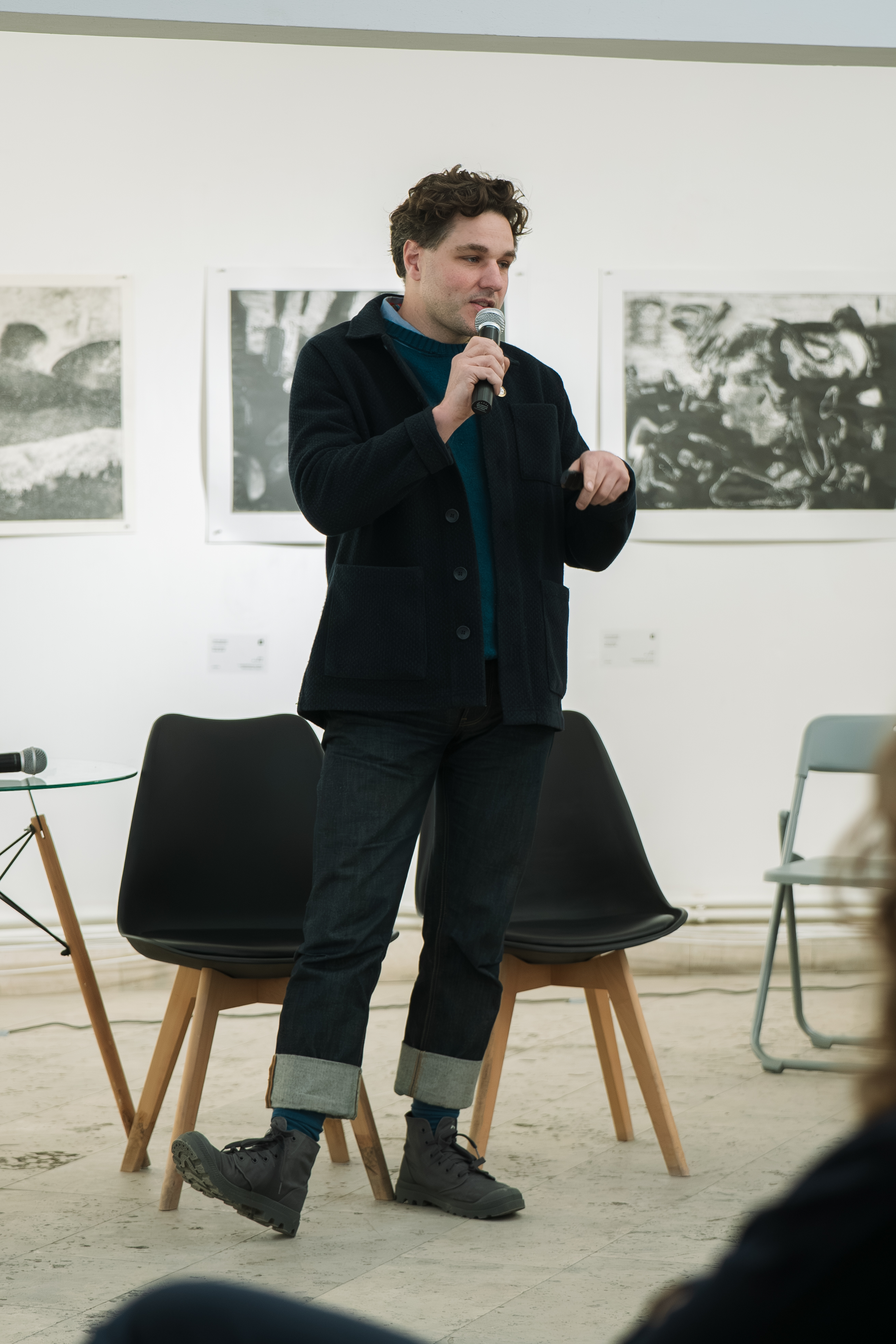
International wool expert Daniel Harris of London Cloth Company contributes to dialogue and knowledge exchange at the Arm.wool Forum in Yerevan.
The first Arm.wool Forum marks Armenia’s launch of a fully traceable wool value chain rooted in heritage, innovation, and ethical production
At the heart of the forum was the official unveiling of the Arm.wool trademark, platform and first-of-its-kind blockchained carpet, a national initiative led by the Homeland Development Initiative Foundation (HDIF) and co-developed with the Institute for Future Creations (TIFC). Arm.wool represents a world-first, integrated, and fully traceable wool value chain at a national scale, connecting rural producers, many of whom are women, with international markets through craftsmanship, transparency, and digital infrastructure.
“This is not about preserving the past in isolation,” said Robert Meeder, Lead Consultant to Arm.wool and Founder of TIFC. “It is about designing a future-ready system where heritage, climate responsibility, and technology work together. Arm.wool creates a blueprint that other countries can learn from.”
Hosted at the HayArt Center, one of Yerevan’s most culturally significant venues, the forum featured contributions from Timothy Straight, CEO of HDIF, Ani Mkrtchyan of Arm.wool, Robert Meeder of TIFC, Daniel Harris of the London Cloth Company, Nairi Khatchadourian of AHA Collective, and Karine Bazeyan from the H. Sharambeyan Museum of Folk Arts. Discussions explored how traditional skills, fair trade principles, and emerging tools such as blockchain and digital product passports can redefine value, authorship, and accountability within the global wool industry.
“For decades, Armenian wool was undervalued despite its quality and cultural importance,” said Timothy Straight, CEO of HDIF. “This initiative is about restoring dignity to rural livelihoods while building systems that meet international expectations for transparency, ethics, and environmental responsibility.”
The forum’s visual centrepiece was a site-specific installation by Samples Atelier, developed within the overall event concept curated by Norel Event Agency.
Rising woven layers formed a symbolic Armenian arch, expressing resilience, continuity, and the renewal of wool as both material and cultural language.
Hands-on workshops and exhibitions enabled visitors to experience the entire wool journey, from spinning and natural dyeing to weaving, felting, and carpet-making. A key highlight was the presentation of the AHA Collective's Golden Apricot International Film Festival carpet, accompanied by a live demonstration of its blockchain-based traceability, offering a tangible example of how Armenian craft can align with global standards.
“Wool carries the memory of people, land, and labour,” said Ani Mkrtchyan, Project Manager of Arm.wool. “By combining tradition with modern design, education, and traceability, Arm.wool is opening Armenia to meaningful global collaboration.”
Looking ahead, Arm.wool is now open to international partnerships and cross-sector collaboration. The initiative invites designers, brands, researchers, cultural institutions, policy makers, and sustainability-focused organisations to engage with Armenia’s wool ecosystem, linking the creative economy with ethical sourcing, biodiversity protection, and transparent value chains.
The next phase of Arm.wool will unfold throughout 2026, as Armenia prepares to host the 17th Conference of the Parties (COP17) to the UN Convention on Biological Diversity (CBD) in Yerevan. The timing is particularly significant, as global attention turns toward biodiversity, regenerative land use, and community-led approaches to environmental stewardship.
Importantly, Arm.wool was initiated well ahead of COP17. The forum and platform demonstrate that Armenia is already taking proactive steps toward biodiversity-aligned textile systems, grounded in rural livelihoods, animal welfare, and landscape regeneration. In this context, Arm.wool stands not as a symbolic response, but as a living, operational example of how cultural heritage and ecological responsibility can work together.
The Arm.wool Forum was supported by the British Council and Hayg Foundation, alongside a network of national and international partners, including PUM Netherlands.
Ani Mkrtchyan
Arm.Wool
info@armwool.com
Visit us on social media:
LinkedIn
Instagram
Facebook
Legal Disclaimer:
EIN Presswire provides this news content "as is" without warranty of any kind. We do not accept any responsibility or liability for the accuracy, content, images, videos, licenses, completeness, legality, or reliability of the information contained in this article. If you have any complaints or copyright issues related to this article, kindly contact the author above.
